Department
Polishing compounds and tumbling filler
Compare the job each material does. A polishing compound supplies the final abrasive. Filler changes the way stones move in the vessel, and smaller pieces fit in the spaces left by larger stones. Choose materials the machine manufacturer permits.
Shop this department
Choose ceramic media or plastic pellets-
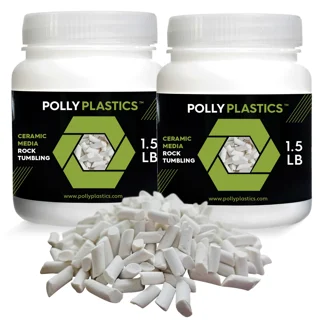 Polly Plastics small ceramic cylinders, 3 lb
Two 1.5 lb packs of 3/16 by 3/8 inch angle-cut cylinders.
$28.99Nov 9, 26, 02:22 PM · New YorkAdd to cartPrice info
This is a monthly price snapshot supplied by Rainforest, not a live quote. Product prices and availability are accurate as of the date/time indicated and are subject to change. Any price and availability information displayed on Amazon.com at the time of purchase will apply to the purchase of this product.
Opens the product on Amazon. Payment takes place on Amazon.
-
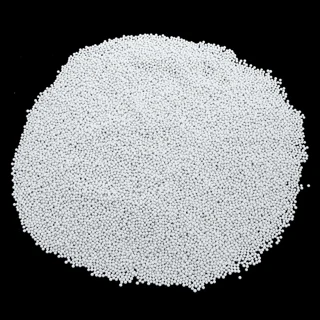 Hiceeden 3 mm ceramic filler beads
Round ceramic filler beads around 1/8 inch across.
$20.59Nov 9, 26, 02:22 PM · New YorkAdd to cartPrice info
This is a monthly price snapshot supplied by Rainforest, not a live quote. Product prices and availability are accurate as of the date/time indicated and are subject to change. Any price and availability information displayed on Amazon.com at the time of purchase will apply to the purchase of this product.
Opens the product on Amazon. Payment takes place on Amazon.
-
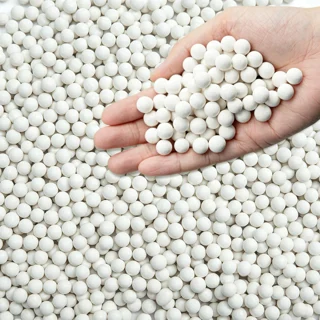 Seuqhck 8 mm round ceramic tumbling filler
Approximately 8 mm round ceramic filler.
$20.99Nov 9, 26, 03:16 PM · New YorkAdd to cartPrice info
This is a monthly price snapshot supplied by Rainforest, not a live quote. Product prices and availability are accurate as of the date/time indicated and are subject to change. Any price and availability information displayed on Amazon.com at the time of purchase will apply to the purchase of this product.
Opens the product on Amazon. Payment takes place on Amazon.
-
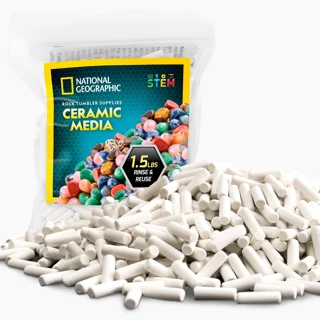 National Geographic ceramic tumbling filler, 1.5 lb
1.5 lb ceramic filler refill.
$12.49Nov 9, 26, 03:17 PM · New YorkAdd to cartPrice info
This is a monthly price snapshot supplied by Rainforest, not a live quote. Product prices and availability are accurate as of the date/time indicated and are subject to change. Any price and availability information displayed on Amazon.com at the time of purchase will apply to the purchase of this product.
Opens the product on Amazon. Payment takes place on Amazon.
-
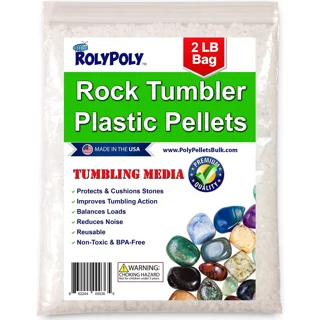 Roly Poly plastic tumbling pellets, 2 lb
Two-pound pack of rotary filler pellets.
$23.97Nov 9, 26, 03:18 PM · New YorkAdd to cartPrice info
This is a monthly price snapshot supplied by Rainforest, not a live quote. Product prices and availability are accurate as of the date/time indicated and are subject to change. Any price and availability information displayed on Amazon.com at the time of purchase will apply to the purchase of this product.
Opens the product on Amazon. Payment takes place on Amazon.
-
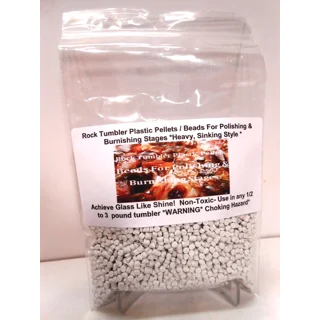 Sinking plastic pellets for polishing and burnishing
Sinking plastic media sold for polishing and burnishing.
$12.99Nov 9, 26, 03:18 PM · New YorkAdd to cartPrice info
This is a monthly price snapshot supplied by Rainforest, not a live quote. Product prices and availability are accurate as of the date/time indicated and are subject to change. Any price and availability information displayed on Amazon.com at the time of purchase will apply to the purchase of this product.
Opens the product on Amazon. Payment takes place on Amazon.
-
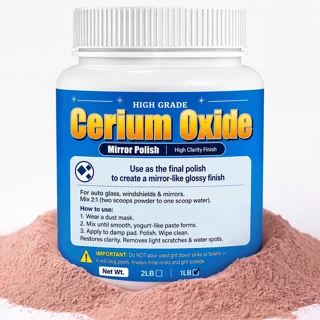 KomeStone red cerium oxide polish, 1 lb
Red cerium oxide sold as a final polish, with glass directions visible.
$21.64Nov 9, 26, 03:19 PM · New YorkAdd to cartPrice info
This is a monthly price snapshot supplied by Rainforest, not a live quote. Product prices and availability are accurate as of the date/time indicated and are subject to change. Any price and availability information displayed on Amazon.com at the time of purchase will apply to the purchase of this product.
Opens the product on Amazon. Payment takes place on Amazon.
-
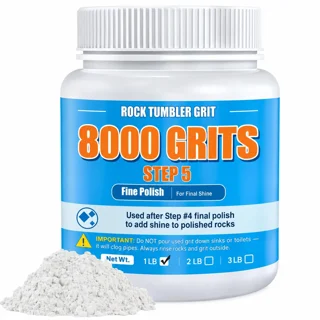 KomeStone 8000-grade aluminum oxide polish, 1 lb
One-pound jar of 8000-grade aluminum oxide final polish.
$24.28Nov 9, 26, 03:19 PM · New YorkAdd to cartPrice info
This is a monthly price snapshot supplied by Rainforest, not a live quote. Product prices and availability are accurate as of the date/time indicated and are subject to change. Any price and availability information displayed on Amazon.com at the time of purchase will apply to the purchase of this product.
Opens the product on Amazon. Payment takes place on Amazon.
-
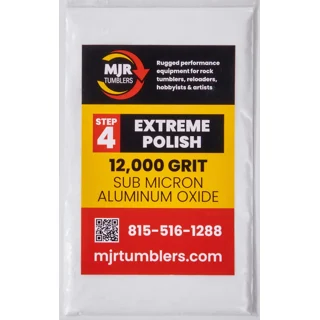 MJR 12,000-grade aluminum oxide polish, 1 lb
Standalone 12,000-grade aluminum oxide final compound.
$26.99Nov 9, 26, 04:18 PM · New YorkAdd to cartPrice info
This is a monthly price snapshot supplied by Rainforest, not a live quote. Product prices and availability are accurate as of the date/time indicated and are subject to change. Any price and availability information displayed on Amazon.com at the time of purchase will apply to the purchase of this product.
Opens the product on Amazon. Payment takes place on Amazon.
-
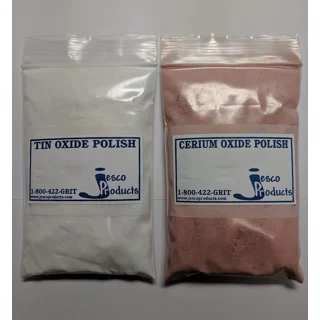 Jesco cerium oxide and tin oxide polish set
Two distinct final compounds in one assortment.
$51.50Nov 9, 26, 04:18 PM · New YorkAdd to cartPrice info
This is a monthly price snapshot supplied by Rainforest, not a live quote. Product prices and availability are accurate as of the date/time indicated and are subject to change. Any price and availability information displayed on Amazon.com at the time of purchase will apply to the purchase of this product.
Opens the product on Amazon. Payment takes place on Amazon.
-
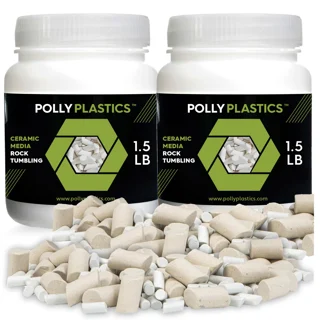 Polly Plastics mixed ceramic cylinders, 3 lb
Three-pound mix of small and large ceramic cylinders.
$27.99Nov 9, 26, 04:19 PM · New YorkAdd to cartPrice info
This is a monthly price snapshot supplied by Rainforest, not a live quote. Product prices and availability are accurate as of the date/time indicated and are subject to change. Any price and availability information displayed on Amazon.com at the time of purchase will apply to the purchase of this product.
Opens the product on Amazon. Payment takes place on Amazon.
-
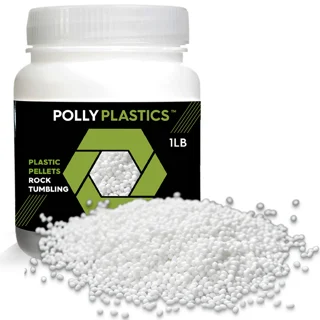 Polly Plastics polypropylene tumbling pellets, 1 lb
One-pound polypropylene filler with the supplier’s stage-separation guidance.
$21.99Nov 9, 26, 04:19 PM · New YorkAdd to cartPrice info
This is a monthly price snapshot supplied by Rainforest, not a live quote. Product prices and availability are accurate as of the date/time indicated and are subject to change. Any price and availability information displayed on Amazon.com at the time of purchase will apply to the purchase of this product.
Opens the product on Amazon. Payment takes place on Amazon.
-
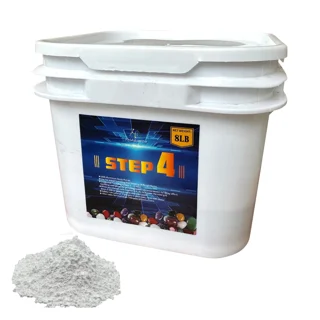 YHAspace 1500-grade aluminum oxide polish, 8 lb
Eight-pound 1,500-grade aluminum oxide polish.
$34.99Nov 9, 26, 04:20 PM · New YorkAdd to cartPrice info
This is a monthly price snapshot supplied by Rainforest, not a live quote. Product prices and availability are accurate as of the date/time indicated and are subject to change. Any price and availability information displayed on Amazon.com at the time of purchase will apply to the purchase of this product.
Opens the product on Amazon. Payment takes place on Amazon.
What to check
Separate filler from the abrasive
Start by identifying whether the product fills gaps, carries abrasive, or supplies the abrasive itself. Compare the listed material and piece size with the shape of your batch before buying a larger quantity.
Check the exact model
Raytech’s TV-10 product page and shared instruction sheet give different directions about ceramic media. Verify the instructions shipped with the exact unit before adding ceramic. Check your machine’s media guidance for any vibratory kit.
Questions before buying
Can I move used filler straight into the polish stage?
Polly Plastics recommends assigning plastic pellets to a single grit grade because grit embeds in the plastic. Its ceramic cylinders can move between stages after thorough washing. The manufacturer also recommends running fresh cylinders in an earlier stage to wear off sharp edges before final polishing.
When is a small ceramic filler useful?
Small pieces reach gaps around tightly grouped stones. Compare bead or cylinder size with your strainer openings and use ceramic only if your exact machine permits it.
Can a finishing powder replace filler?
Choose each by its job. The final powder supplies the abrasive. Filler occupies space and changes the way pieces move in the vessel.