Department
Rotary rock tumblers
Shop for a drum that suits your usual batch, from a small mixed-size sample to two stone batches that need separate vessels. A drum's dimensions determine whether the largest pieces can roll freely. Its working-load rating is a separate limit.
Shop this department
Choose a rotary or vibratory rock tumbler-
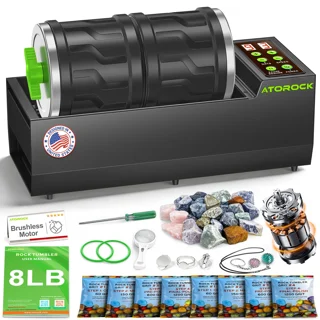 AtoRock A1 Pro twin-barrel tumbler kit
Two rotary barrels on a shared drive.
$169.99Nov 9, 26, 02:21 PM · New YorkAdd to cartPrice info
This is a monthly price snapshot supplied by Rainforest, not a live quote. Product prices and availability are accurate as of the date/time indicated and are subject to change. Any price and availability information displayed on Amazon.com at the time of purchase will apply to the purchase of this product.
Opens the product on Amazon. Payment takes place on Amazon.
-
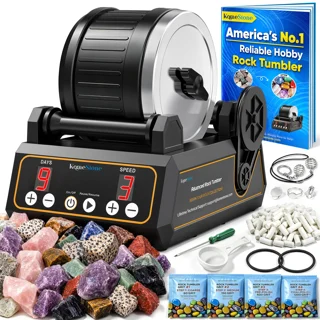 KomeStone K1 2.5 lb rotary tumbler kit
Single 2.5 lb nominal K1 barrel with timer and speed selection.
$55.95Nov 9, 26, 02:21 PM · New YorkAdd to cartPrice info
This is a monthly price snapshot supplied by Rainforest, not a live quote. Product prices and availability are accurate as of the date/time indicated and are subject to change. Any price and availability information displayed on Amazon.com at the time of purchase will apply to the purchase of this product.
Opens the product on Amazon. Payment takes place on Amazon.
-
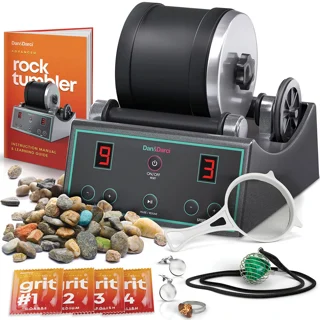 Dan&Darci advanced 1 lb rock tumbler kit
One-pound rubber barrel, three speeds and a programmable timer.
$59.98Nov 9, 26, 02:22 PM · New YorkAdd to cartPrice info
This is a monthly price snapshot supplied by Rainforest, not a live quote. Product prices and availability are accurate as of the date/time indicated and are subject to change. Any price and availability information displayed on Amazon.com at the time of purchase will apply to the purchase of this product.
Opens the product on Amazon. Payment takes place on Amazon.
-
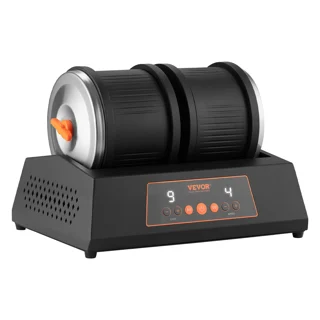 VEVOR 8 lb four-speed twin-barrel tumbler
Four-speed 8 lb twin-barrel version, model KD-C8021-B in the offer.
$100.97Nov 9, 26, 03:17 PM · New YorkAdd to cartPrice info
This is a monthly price snapshot supplied by Rainforest, not a live quote. Product prices and availability are accurate as of the date/time indicated and are subject to change. Any price and availability information displayed on Amazon.com at the time of purchase will apply to the purchase of this product.
Opens the product on Amazon. Payment takes place on Amazon.
-
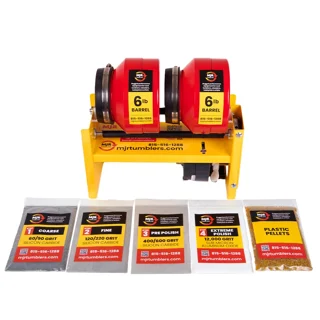 MJR 12 lb rotary kit with two 6 lb drums
The kit shows two 6 lb drums on one base.
$415.00Nov 9, 26, 03:17 PM · New YorkAdd to cartPrice info
This is a monthly price snapshot supplied by Rainforest, not a live quote. Product prices and availability are accurate as of the date/time indicated and are subject to change. Any price and availability information displayed on Amazon.com at the time of purchase will apply to the purchase of this product.
Opens the product on Amazon. Payment takes place on Amazon.
-
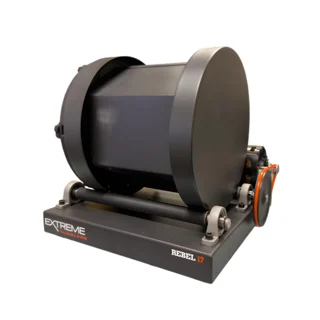 Extreme Tumblers Rebel 17 low-speed rock tumbler
Rebel 17 low-speed R17LS, manufacturer describes 20 rpm drum speed.
$299.95Nov 9, 26, 03:18 PM · New YorkAdd to cartPrice info
This is a monthly price snapshot supplied by Rainforest, not a live quote. Product prices and availability are accurate as of the date/time indicated and are subject to change. Any price and availability information displayed on Amazon.com at the time of purchase will apply to the purchase of this product.
Opens the product on Amazon. Payment takes place on Amazon.
-
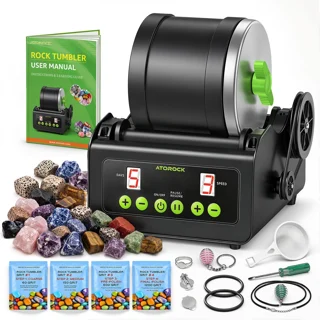 AtoRock A4 compact rotary tumbler kit
A4 one-barrel starter kit with adjustable speed and timer.
$55.99Nov 9, 26, 03:18 PM · New YorkAdd to cartPrice info
This is a monthly price snapshot supplied by Rainforest, not a live quote. Product prices and availability are accurate as of the date/time indicated and are subject to change. Any price and availability information displayed on Amazon.com at the time of purchase will apply to the purchase of this product.
Opens the product on Amazon. Payment takes place on Amazon.
-
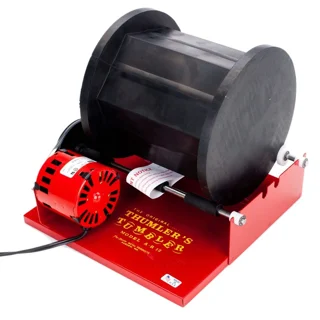 Thumler A-R12 rotary rock tumbler
Thumler THU130 A-R12 with one 12 lb nominal barrel.
$274.99Nov 9, 26, 03:19 PM · New YorkAdd to cartPrice info
This is a monthly price snapshot supplied by Rainforest, not a live quote. Product prices and availability are accurate as of the date/time indicated and are subject to change. Any price and availability information displayed on Amazon.com at the time of purchase will apply to the purchase of this product.
Opens the product on Amazon. Payment takes place on Amazon.
-
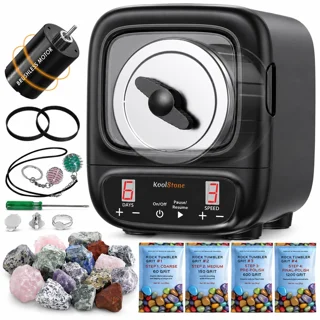 KoolStone C1 Pro Max 3 lb tumbler kit
C1 Pro Max with enclosed single barrel and separately documented manual.
$119.98Nov 9, 26, 03:20 PM · New YorkAdd to cartPrice info
This is a monthly price snapshot supplied by Rainforest, not a live quote. Product prices and availability are accurate as of the date/time indicated and are subject to change. Any price and availability information displayed on Amazon.com at the time of purchase will apply to the purchase of this product.
Opens the product on Amazon. Payment takes place on Amazon.
-
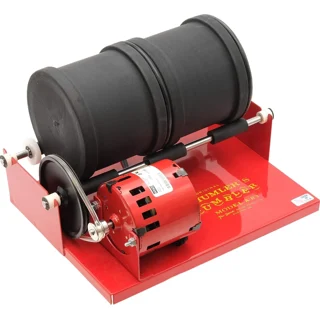 Thumler A-R2 two-barrel rotary tumbler
A-R2 THU115 uses two 3 lb nominal vessels on one base.
$209.99Nov 9, 26, 04:18 PM · New YorkAdd to cartPrice info
This is a monthly price snapshot supplied by Rainforest, not a live quote. Product prices and availability are accurate as of the date/time indicated and are subject to change. Any price and availability information displayed on Amazon.com at the time of purchase will apply to the purchase of this product.
Opens the product on Amazon. Payment takes place on Amazon.
-
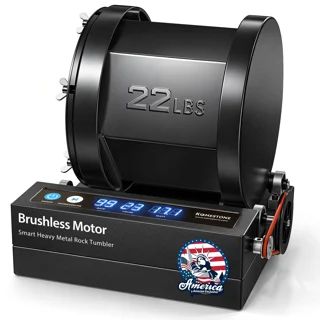 KomeStone G3 22 lb-class rotary tumbler
G3 listing and photo identify the single large 22 lb class drum.
$284.99Nov 9, 26, 04:19 PM · New YorkAdd to cartPrice info
This is a monthly price snapshot supplied by Rainforest, not a live quote. Product prices and availability are accurate as of the date/time indicated and are subject to change. Any price and availability information displayed on Amazon.com at the time of purchase will apply to the purchase of this product.
Opens the product on Amazon. Payment takes place on Amazon.
-
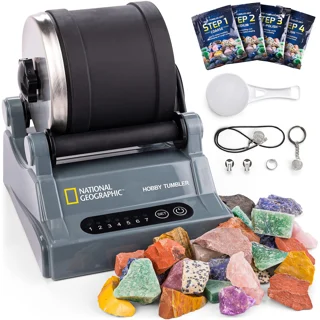 National Geographic Hobby rock tumbler kit
Hobby kit with a single rubber drum and programmable timer.
$57.53Nov 9, 26, 04:19 PM · New YorkAdd to cartPrice info
This is a monthly price snapshot supplied by Rainforest, not a live quote. Product prices and availability are accurate as of the date/time indicated and are subject to change. Any price and availability information displayed on Amazon.com at the time of purchase will apply to the purchase of this product.
Opens the product on Amazon. Payment takes place on Amazon.
-
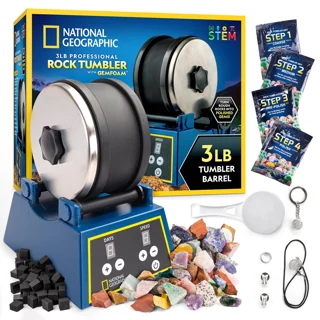 National Geographic Professional 3 lb rock tumbler
Three-pound Professional variant with speed and timer control.
$89.99Nov 9, 26, 04:20 PM · New YorkAdd to cartPrice info
This is a monthly price snapshot supplied by Rainforest, not a live quote. Product prices and availability are accurate as of the date/time indicated and are subject to change. Any price and availability information displayed on Amazon.com at the time of purchase will apply to the purchase of this product.
Opens the product on Amazon. Payment takes place on Amazon.
-
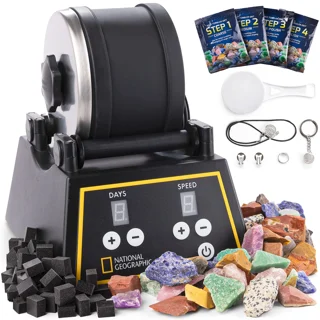 National Geographic Professional 2 lb rock tumbler
Two-pound Professional kit with selectable speed and a programmable timer.
$74.99Nov 9, 26, 04:20 PM · New YorkAdd to cartPrice info
This is a monthly price snapshot supplied by Rainforest, not a live quote. Product prices and availability are accurate as of the date/time indicated and are subject to change. Any price and availability information displayed on Amazon.com at the time of purchase will apply to the purchase of this product.
Opens the product on Amazon. Payment takes place on Amazon.
-
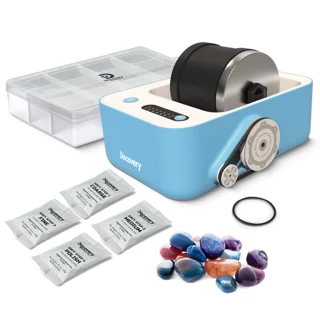 Discovery Deluxe rock tumbler kit
Discovery Deluxe kit bundles the machine, four stages and a case.
$45.48Nov 9, 26, 04:20 PM · New YorkAdd to cartPrice info
This is a monthly price snapshot supplied by Rainforest, not a live quote. Product prices and availability are accurate as of the date/time indicated and are subject to change. Any price and availability information displayed on Amazon.com at the time of purchase will apply to the purchase of this product.
Opens the product on Amazon. Payment takes place on Amazon.
-
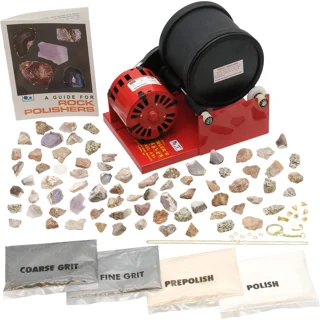 Thumler A-R1 Special Kit 102 with abrasives
Tru-Square 102 A-R1 Special Kit, one drum and four grades.
$183.91Nov 9, 26, 04:21 PM · New YorkAdd to cartPrice info
This is a monthly price snapshot supplied by Rainforest, not a live quote. Product prices and availability are accurate as of the date/time indicated and are subject to change. Any price and availability information displayed on Amazon.com at the time of purchase will apply to the purchase of this product.
Opens the product on Amazon. Payment takes place on Amazon.
-
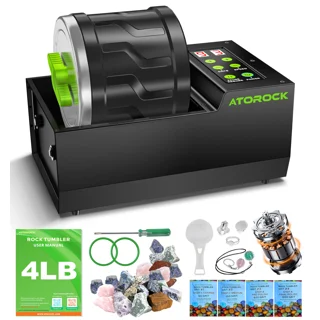 AtoRock A1 single-barrel 4 lb tumbler kit
Four-pound nominal single-barrel A1 kit.
$95.98Nov 9, 26, 04:21 PM · New YorkAdd to cartPrice info
This is a monthly price snapshot supplied by Rainforest, not a live quote. Product prices and availability are accurate as of the date/time indicated and are subject to change. Any price and availability information displayed on Amazon.com at the time of purchase will apply to the purchase of this product.
Opens the product on Amazon. Payment takes place on Amazon.
-
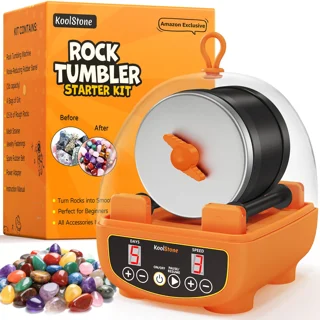 KoolStone C5 covered starter rock tumbler
C5 starter kit with enclosed drum and separate time and speed controls.
$47.99Nov 9, 26, 04:22 PM · New YorkAdd to cartPrice info
This is a monthly price snapshot supplied by Rainforest, not a live quote. Product prices and availability are accurate as of the date/time indicated and are subject to change. Any price and availability information displayed on Amazon.com at the time of purchase will apply to the purchase of this product.
Opens the product on Amazon. Payment takes place on Amazon.
-
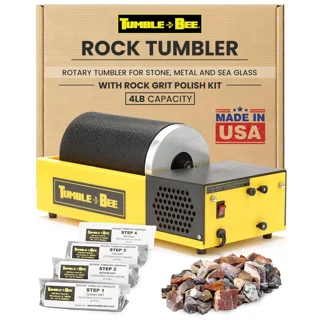 Tumble-Bee TB-14 4 lb tumbler and grit kit
TB-14-KIT configuration with one four-pound barrel and finishing supplies.
$129.00Nov 9, 26, 04:22 PM · New YorkAdd to cartPrice info
This is a monthly price snapshot supplied by Rainforest, not a live quote. Product prices and availability are accurate as of the date/time indicated and are subject to change. Any price and availability information displayed on Amazon.com at the time of purchase will apply to the purchase of this product.
Opens the product on Amazon. Payment takes place on Amazon.
-
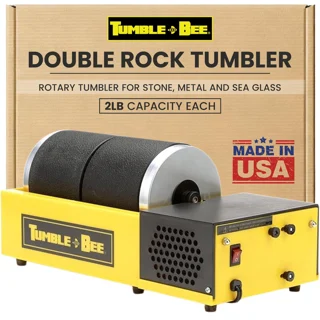 Tumble-Bee TB-22 dual 2 lb rotary tumbler
TB-22 base configuration with two two-pound rubber barrels.
$119.00Nov 9, 26, 04:23 PM · New YorkAdd to cartPrice info
This is a monthly price snapshot supplied by Rainforest, not a live quote. Product prices and availability are accurate as of the date/time indicated and are subject to change. Any price and availability information displayed on Amazon.com at the time of purchase will apply to the purchase of this product.
Opens the product on Amazon. Payment takes place on Amazon.
-
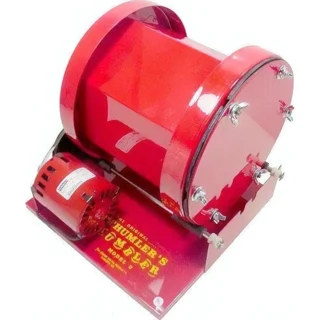 Thumler Model B THU140 rock tumbler
THU140 is the 15 lb nominal Model B intended for stone finishing.
$302.59Nov 9, 26, 04:23 PM · New YorkAdd to cartPrice info
This is a monthly price snapshot supplied by Rainforest, not a live quote. Product prices and availability are accurate as of the date/time indicated and are subject to change. Any price and availability information displayed on Amazon.com at the time of purchase will apply to the purchase of this product.
Opens the product on Amazon. Payment takes place on Amazon.
-
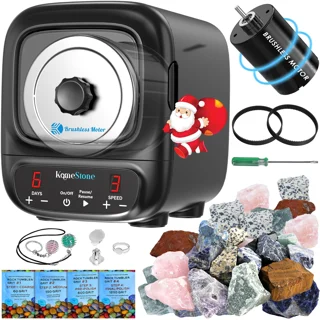 KomeStone K2 Elite 3 lb brushless tumbler kit
KomeStone K2 Elite brushless single-barrel kit with nominal three-pound drum.
$129.98Nov 9, 26, 04:23 PM · New YorkAdd to cartPrice info
This is a monthly price snapshot supplied by Rainforest, not a live quote. Product prices and availability are accurate as of the date/time indicated and are subject to change. Any price and availability information displayed on Amazon.com at the time of purchase will apply to the purchase of this product.
Opens the product on Amazon. Payment takes place on Amazon.
-
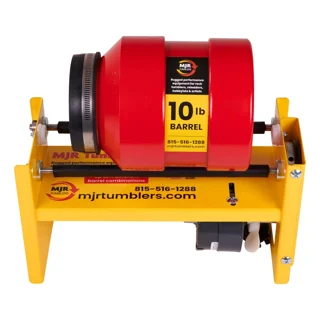 MJR 10 lb single-barrel rotary tumbler
MJR10p configuration with one ten-pound polymer barrel.
$375.95Nov 9, 26, 04:23 PM · New YorkAdd to cartPrice info
This is a monthly price snapshot supplied by Rainforest, not a live quote. Product prices and availability are accurate as of the date/time indicated and are subject to change. Any price and availability information displayed on Amazon.com at the time of purchase will apply to the purchase of this product.
Opens the product on Amazon. Payment takes place on Amazon.
-
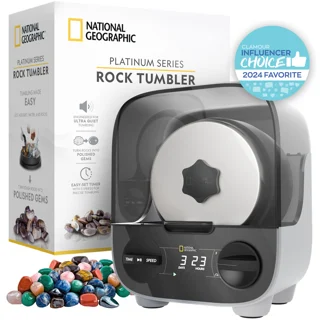 National Geographic Platinum 2 lb tumbler kit
Platinum two-pound machine with hours-or-days timing and three speeds.
$134.99Nov 9, 26, 05:23 PM · New YorkAdd to cartPrice info
This is a monthly price snapshot supplied by Rainforest, not a live quote. Product prices and availability are accurate as of the date/time indicated and are subject to change. Any price and availability information displayed on Amazon.com at the time of purchase will apply to the purchase of this product.
Opens the product on Amazon. Payment takes place on Amazon.
-
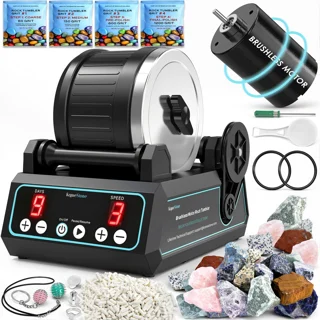 KomeStone K1 Pro 2.5 lb brushless tumbler
K1 Pro brushless kit with a 2.5 lb nominal drum.
$89.98Nov 9, 26, 05:23 PM · New YorkAdd to cartPrice info
This is a monthly price snapshot supplied by Rainforest, not a live quote. Product prices and availability are accurate as of the date/time indicated and are subject to change. Any price and availability information displayed on Amazon.com at the time of purchase will apply to the purchase of this product.
Opens the product on Amazon. Payment takes place on Amazon.
-
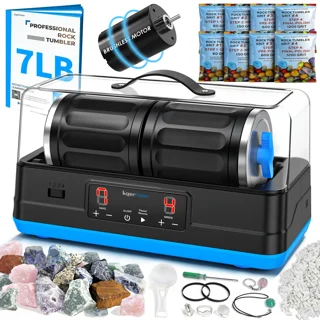 KomeStone K4 dual 3.5 lb tumbler kit
K4 enclosed dual-barrel model with two nominal 3.5 lb drums.
$149.98Nov 9, 26, 05:23 PM · New YorkAdd to cartPrice info
This is a monthly price snapshot supplied by Rainforest, not a live quote. Product prices and availability are accurate as of the date/time indicated and are subject to change. Any price and availability information displayed on Amazon.com at the time of purchase will apply to the purchase of this product.
Opens the product on Amazon. Payment takes place on Amazon.
-
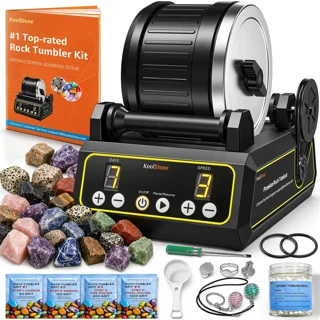 KoolStone C1 Brush Edition 2.5 lb tumbler
Original KoolStone C1 Brush Edition with a nominal 2.5 lb drum.
$55.98Nov 9, 26, 05:24 PM · New YorkAdd to cartPrice info
This is a monthly price snapshot supplied by Rainforest, not a live quote. Product prices and availability are accurate as of the date/time indicated and are subject to change. Any price and availability information displayed on Amazon.com at the time of purchase will apply to the purchase of this product.
Opens the product on Amazon. Payment takes place on Amazon.
-
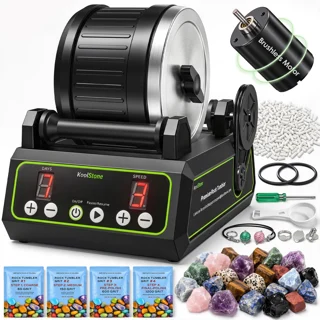 KoolStone C1 Pro 2.5 lb brushless tumbler
C1 Pro brushless kit with a nominal 2.5 lb drum.
$79.98Nov 9, 26, 05:24 PM · New YorkAdd to cartPrice info
This is a monthly price snapshot supplied by Rainforest, not a live quote. Product prices and availability are accurate as of the date/time indicated and are subject to change. Any price and availability information displayed on Amazon.com at the time of purchase will apply to the purchase of this product.
Opens the product on Amazon. Payment takes place on Amazon.
-
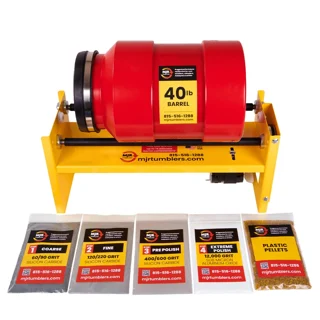 MJR 40 lb large-base rock tumbling kit
Forty-pound nominal large-base MJR kit with grit and plastic pellets.
$616.97Nov 9, 26, 05:24 PM · New YorkAdd to cartPrice info
This is a monthly price snapshot supplied by Rainforest, not a live quote. Product prices and availability are accurate as of the date/time indicated and are subject to change. Any price and availability information displayed on Amazon.com at the time of purchase will apply to the purchase of this product.
Opens the product on Amazon. Payment takes place on Amazon.
-
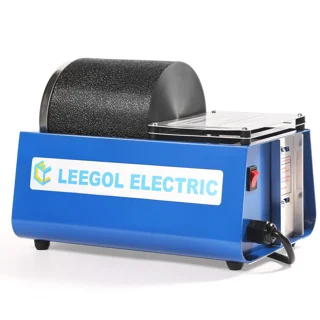 Leegol Electric 3 lb single-drum rotary tumbler
Manufacturer identifies this exact offer as the single 3 lb rubber-drum model.
$52.99Nov 9, 26, 05:24 PM · New YorkAdd to cartPrice info
This is a monthly price snapshot supplied by Rainforest, not a live quote. Product prices and availability are accurate as of the date/time indicated and are subject to change. Any price and availability information displayed on Amazon.com at the time of purchase will apply to the purchase of this product.
Opens the product on Amazon. Payment takes place on Amazon.
What to check
Choose the motion for the job
A rotating drum lets the batch roll together. Choose a rotary machine when the goal is to round rough edges over the early stages. For a vibratory model, check what its manual says about the starting shape and the approved abrasive grades before committing to the same process.
Read the working load
Check the manual for whether the listed capacity includes both stones and media. Compare the usable load per drum or bowl before deciding that a two-drum machine handles larger individual stones.
Questions before buying
Do two barrels let me choose two speeds?
Check the drive layout. If both barrels sit on one set of driven rollers, they share the machine settings. Choose a dual-barrel kit to keep batches separate, and check whether the manufacturer allows a one-barrel run.
What matters when I compare a single drum with two drums?
Compare the opening and useful dimensions of each vessel. Two three-pound drums can keep batches separate, while a single six-pound vessel can hold a different mix of stone sizes. Check the actual operating load in the manual.
Which spare parts should I check before choosing a machine?
Look up the barrel, closure and drive components for the exact model. The K1 and K1 Pro share a replacement barrel, while their motor types differ.